After the recent restrictions that the Indian government imposed on the imports of laptops, servers, and other electronic goods listed under HSN 8741 earlier this month, it seems that manufacturers’ plans to make the imported goods in India are in motion. In a recent press conference, Ashwini Vaishnaw, who holds the office of Electronics & Information Technology Minister, revealed that 32 companies have applied to make laptops locally in India.
Laptop import restrictions – What happened?Government of India’s Ministry of Commerce and Industry on August 3 published a notification stating that the import of goods listed under HSN 8741, including laptops, AIOs, servers, and ultra-small form factor computers in India, would be restricted. All the manufacturers would be required to have a license allowing them to import the goods that were moved from the “Free” category of imported goods to “Restricted”.
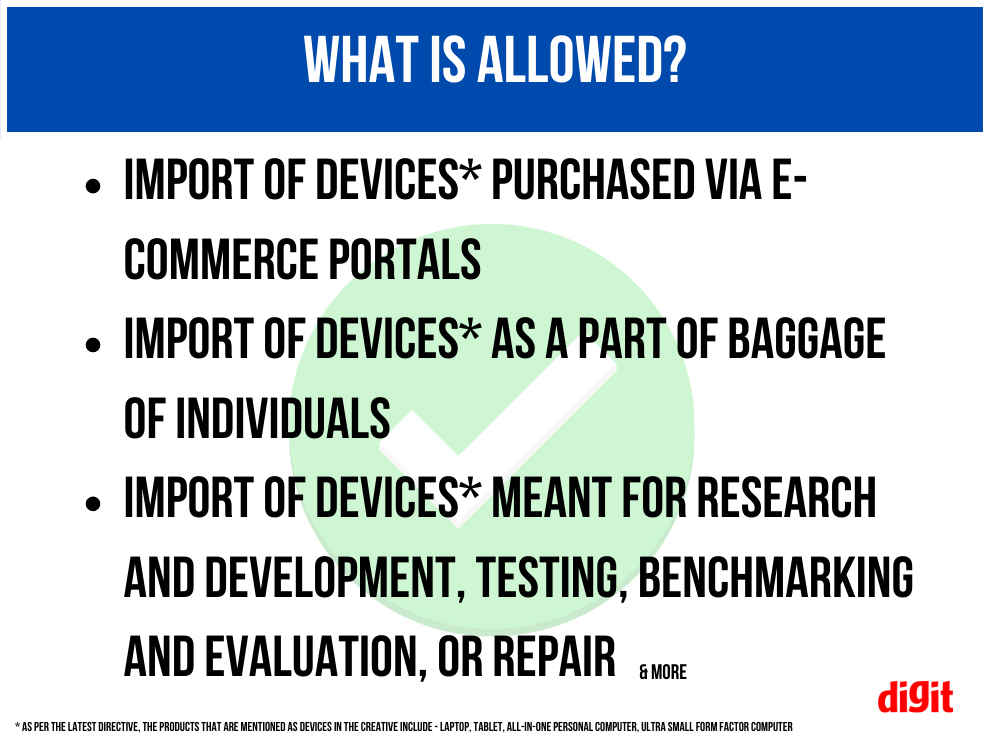
At the time, we had reached out to brands like Dell and Acer for comments, and they were confident in their ability to keep their supply chains running smoothly as they had manufacturing plants already set up in the country. While Acer and Dell are brands that already were manufacturing in India, there were several others that had been importing their goods into the country. Recently, there was a push back from these brands as well. However, the government, in their latest directive, had said that the restrictions would come into effect starting November 1, 2023.
Also Read: Indian govt’s laptop and PC import ban effective from November 1, despite manufacturer appeals
HP and Lenovo are amongst the brands that will manufacture in IndiaOn the back of this announcement comes the media briefing, where Ashwini Vaishnaw revealed that 32 companies have already signed up for manufacturing their goods in India. As reported by Business Today, in the conference, he said – "Overwhelming response received for the production of laptops and PCs under the hardware Production Linked Incentive Scheme (PLI) scheme. Companies that will be manufacturing laptops include HP India, Dell, Acer, Lenovo, Thomson and others. Servers will be made by HP Enterprises."
Also Read: Laptop import ban explained: Do you need to worry about your next purchase?
With this news coming through, one thing that I had mentioned in my earlier coverage of these restrictions seems to be on the horizon – Reduced prices of the now-restricted goods. In the coming months, when we have a stabilised output from these manufacturing units that brands will be putting up in India, the prices of laptops and other goods should go down. I will leave the cost analysis for the experts to figure out, but from what limited knowledge I have about the matter, reduced pricing of laptops and tablets could be closer than ever! All we can do now is wait and watch
from Laptops News https://ift.tt/9jZglaN
Comments
Post a Comment