iQoo has announced its latest mid-range offering, the iQoo Neo 7. In an immersion session in New Delhi, the brand showcased the iQoo Neo 7, which will be launched later this month as a successor to the iQoo Neo 6. The smartphone will come with MediaTek’s latest Dimensity 8200 SoC paired with up to 12GB of RAM and 256GB of internal storage. The iQoo Neo 7 will be launched in India on February 16 as the first MediaTek Dimensity 8200-powered smartphone in the country.
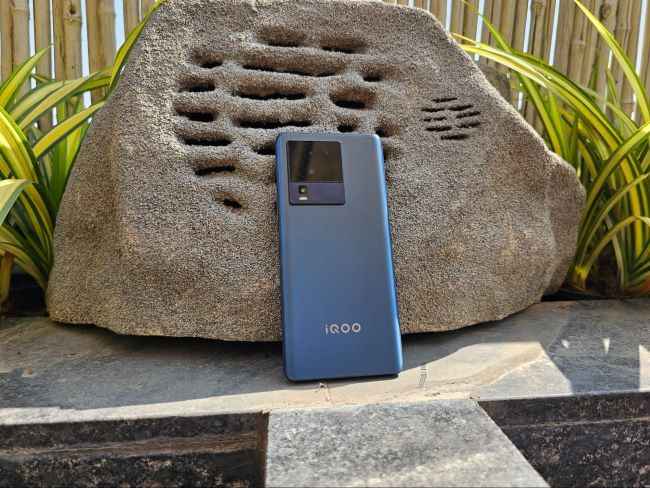
The iQoo Neo 7 will be launched as a gaming-centric mid-range offering and will come with many improvements over its predecessor. There will be a 6.78-inch AMOLED display with a 120Hz refresh rate and up to 1,300 nits of peak brightness. The smartphone will be powered by a MediaTek Dimensity 8200 SoC paired with up to 12GB of RAM and 256GB of internal storage. The smartphone will also come with a triple rear camera setup that will include a primary 64-megapixel shooter, an 8-megapixel ultra-wide angle lens, and a 2-megapixel macro shooter. There is also going to be a 5,000mAh battery with support for 120W fast charging on the iQoo Neo 7.
iQoo Neo 7 specs and featuresThe iQoo Neo 7 will be the first smartphone in India to come with MediaTek’s Dimensity 8200 SoC, which is built on a 4nm process. Its predecessor, the iQoo Neo 6 came with a Snapdragon 870 chip, which is built on a 7nm process. The iQoo Neo 6 was a critically acclaimed mid-range smartphone for gaming. With the iQoo Neo 7, the company is saying that it has enhanced the gaming experience with a more powerful chip that has a maximum clock speed of 3.1GHz along with other gaming-centric features like frame rate priority that keeps the frame rate stable through long gaming sessions. There is also a Motion Control feature that enables Gyroscope customisation.
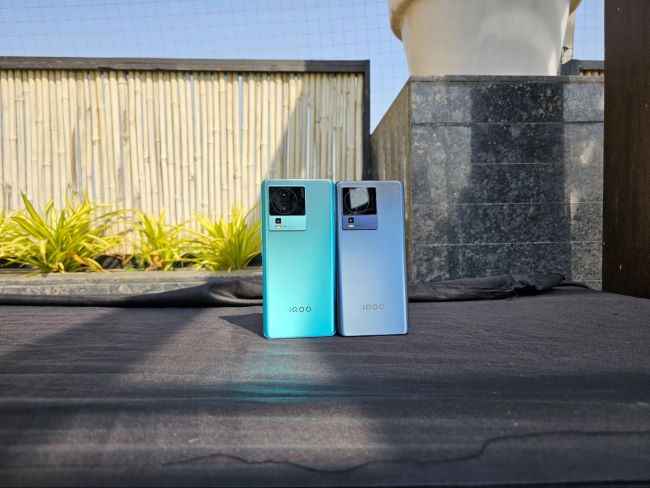
During the immersion session, we got our hands on the iQoo Neo 7. From the back, the smartphone looks very similar to the iQoo Neo 6. However, upfront, we get a bigger display with thinner 1.6mm bezels and a much smaller 2.65mm chin. This makes up for a 93.11 screen-to-body ratio, as against iQoo Neo 6’s around 90% screen-to-body ratio. The icon Neo 7 also felt super lightweight to hold in our hands, and the camera array now has a circular module within it, which holds the two main cameras, one is placed on the metal camera frame. The smartphone’s overall frame, however, remains plastic. We can’t really talk about the display quality or performance of the device, but stay tuned for our detailed review of the iQoo Neo 7.
from Mobile Phones News https://ift.tt/3Ure6m0
Comments
Post a Comment